Orchestration:
2fl, picc, 2ob, 2cl, 2bn; 4hn, 2tp, 3tb, tu; ti, pc (1 player); str
Duration:
c. 12′
Programme Note
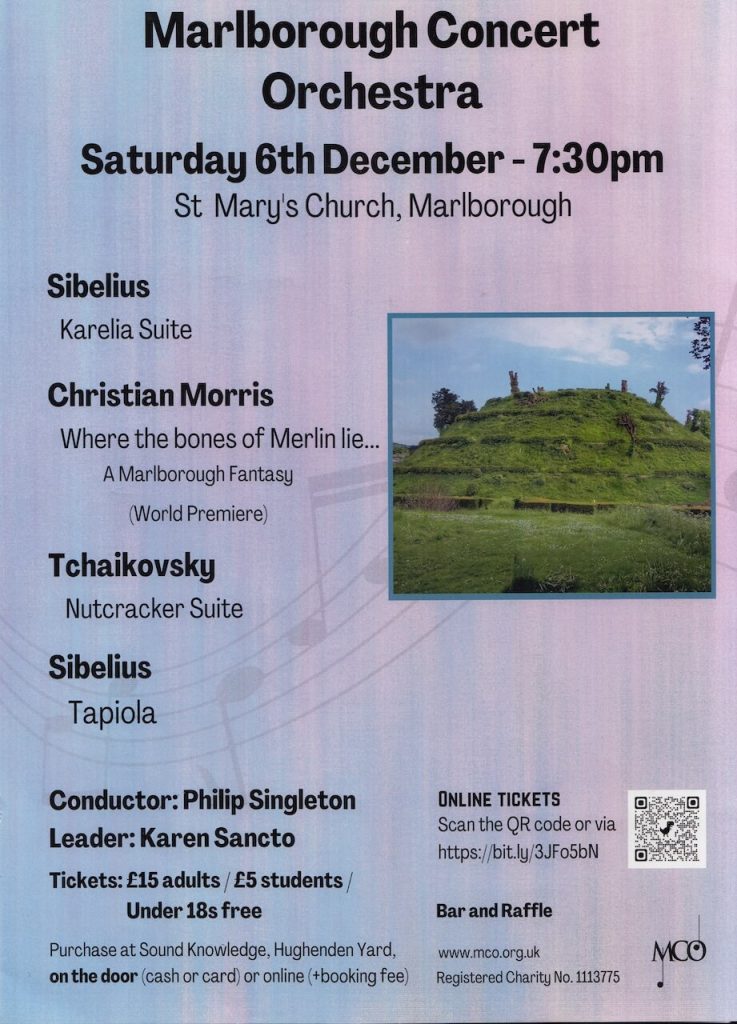
When approached by conductor Phil Singleton and the Marlborough Concert Orchestra to write a piece as part of their twentieth anniversary celebration, I was clear early on that I wanted it to draw upon the rich history of this lovely market town.
I began by immersing myself in this history, looking for events that could provide musical inspiration. The Civil War, in which the town sided with Parliament, provided a dramatic starting point, but it was the event that occurred a year after the sacking of the town by Royalist forces that proved most musically fertile. This was, of course, the Great Fire of 1653.
The account of this event is vivid indeed, the fire breaking out at the tannery at the south-west end of the High Street, fanned by the wind and leading to a general and terrible conflagration. This event provided the starting point for the piece—the white noise heard at the opening in the strings representing the sound of the wind, over which pizzicato sounds represent the sound of fire slowly catching light.
I was also fascinated by the town’s Latin motto ‘Ubi nunc sapientis ossa Merlini’ (‘Where now are the bones of wise Merlin’) and the mysterious ‘Marlborough Mound’, reputedly the burial site of Merlin, that lies now in the grounds of Marlborough College. I initially looked for some traditional folk music that might represent the figure of Merlin within the piece, though I was not satisfied with anything I found. He and the mound remain, however, a presence, most dramatically where the white noise at the opening transforms into the sound of breathing, representing perhaps the sound of his eternal sleep within the town.
Though there was no useful folk material related to Merlin, my searches did reveal two wonderful melodies associated with Marlborough. The first is ‘The Duke of Marlborough’, a song in which the Duke, in the first person, tells of his heroic exploits in the Battle of Ramilles in 1706. There were two versions of this, one collected and later arranged by the composer Percy Grainger, and another ‘rougher’ but more metrically interesting version collected from a certain William Chubb in 1906.
This rougher version was used alongside a second, utterly charming folk song, ‘All in the Town of Marlborough’, which tells of the romantic assignations between Nell and her lover John, a tryst that is opposed and eventually blessed by Nell’s farmer father. Both tunes form the backbone of the piece, informing all of the pitched material within the work and emerging in a blaze of joy towards the end. A colourful conclusion, I hope, to a piece that celebrates this wonderful part of the world.
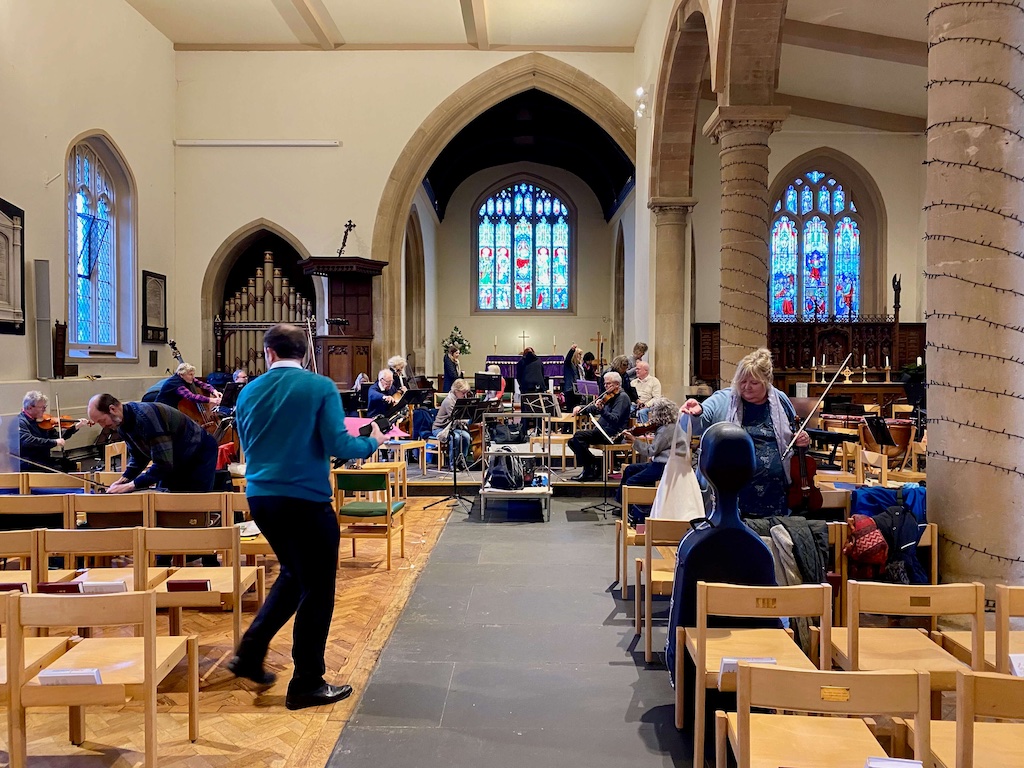
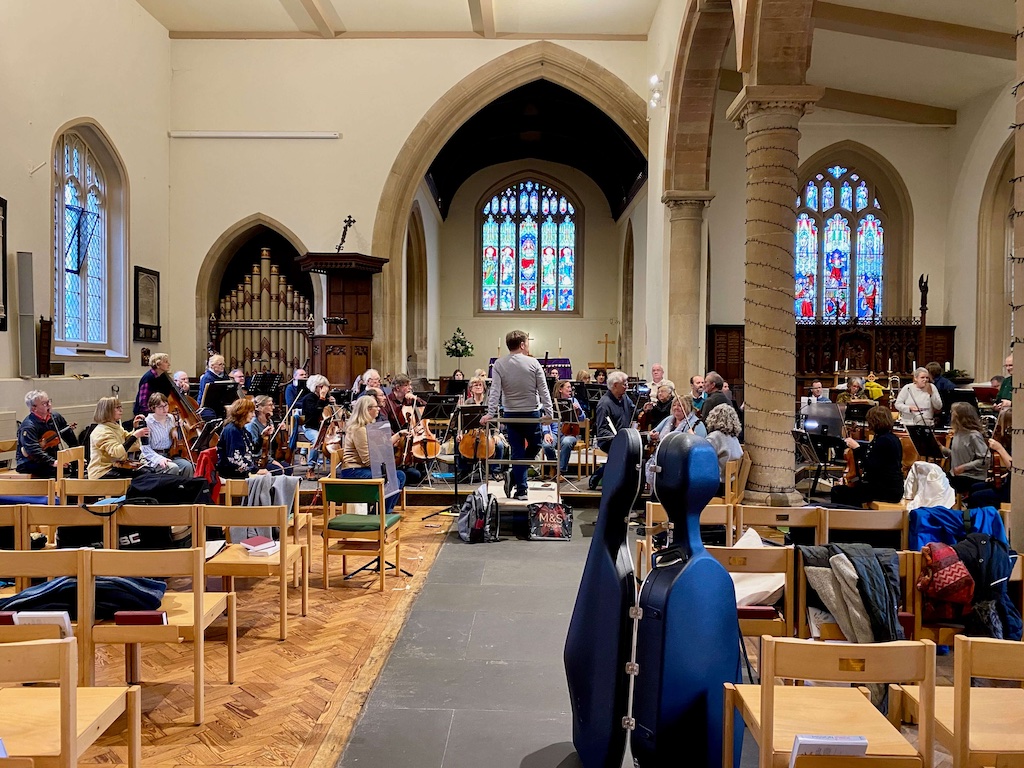
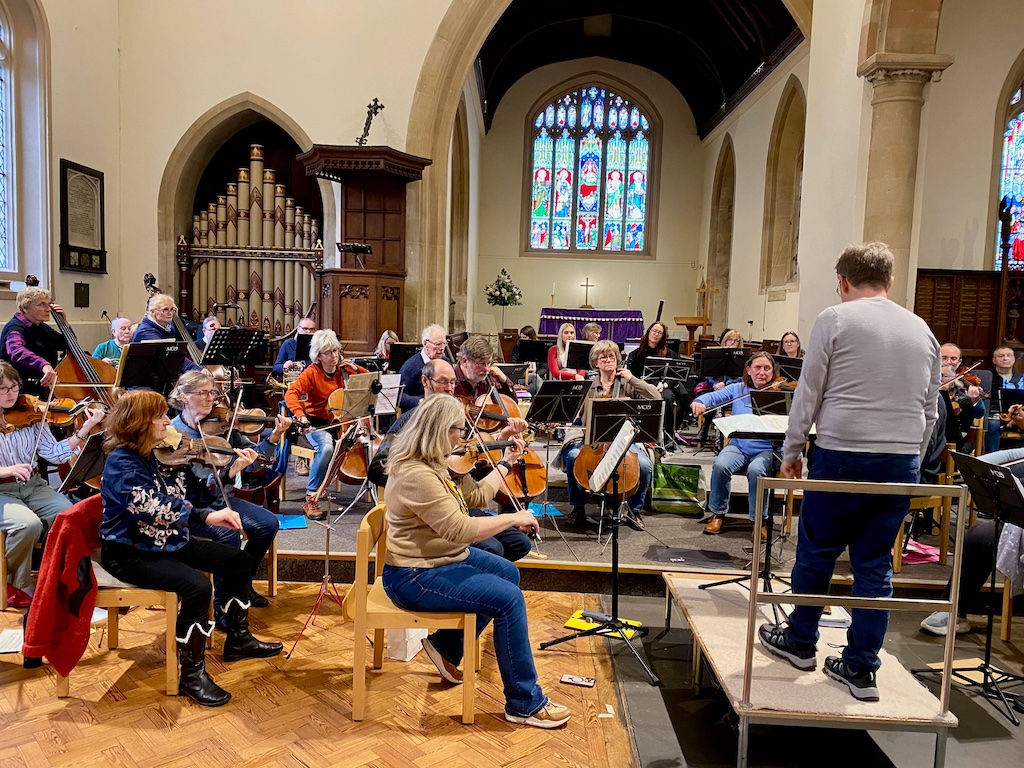
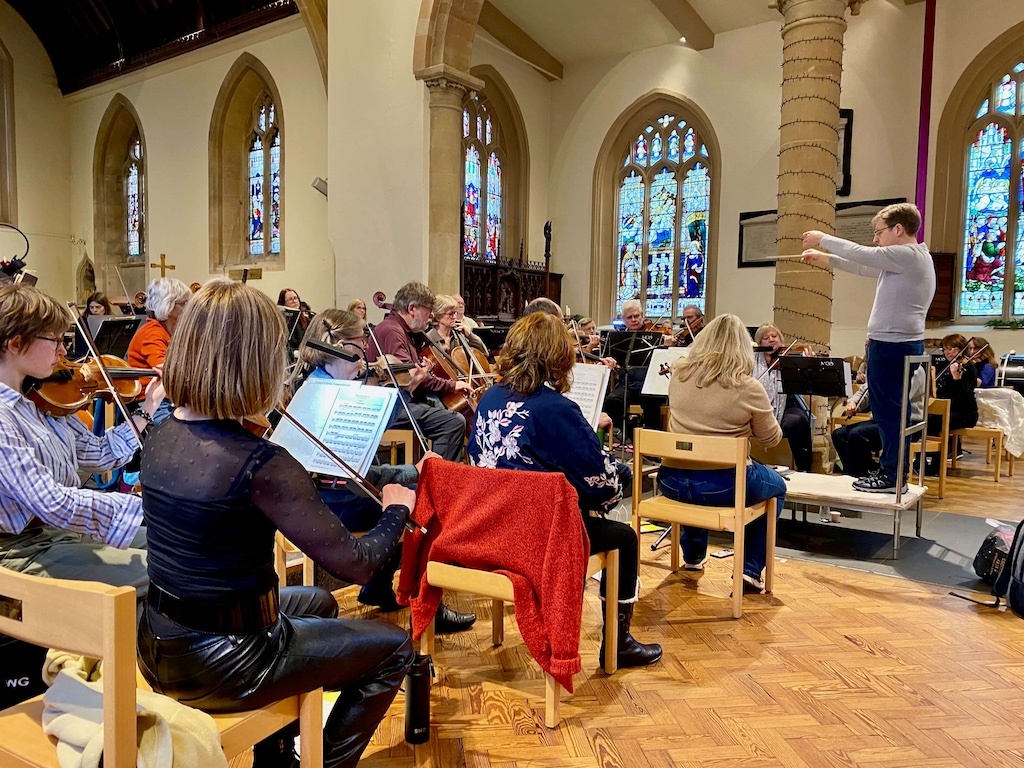
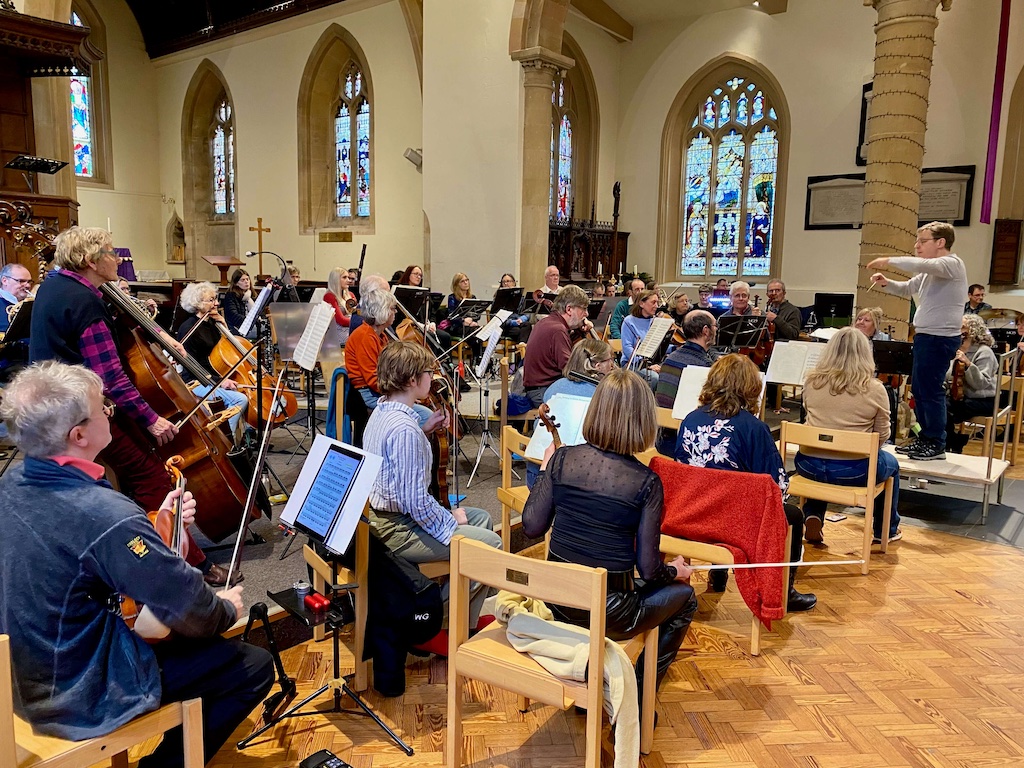
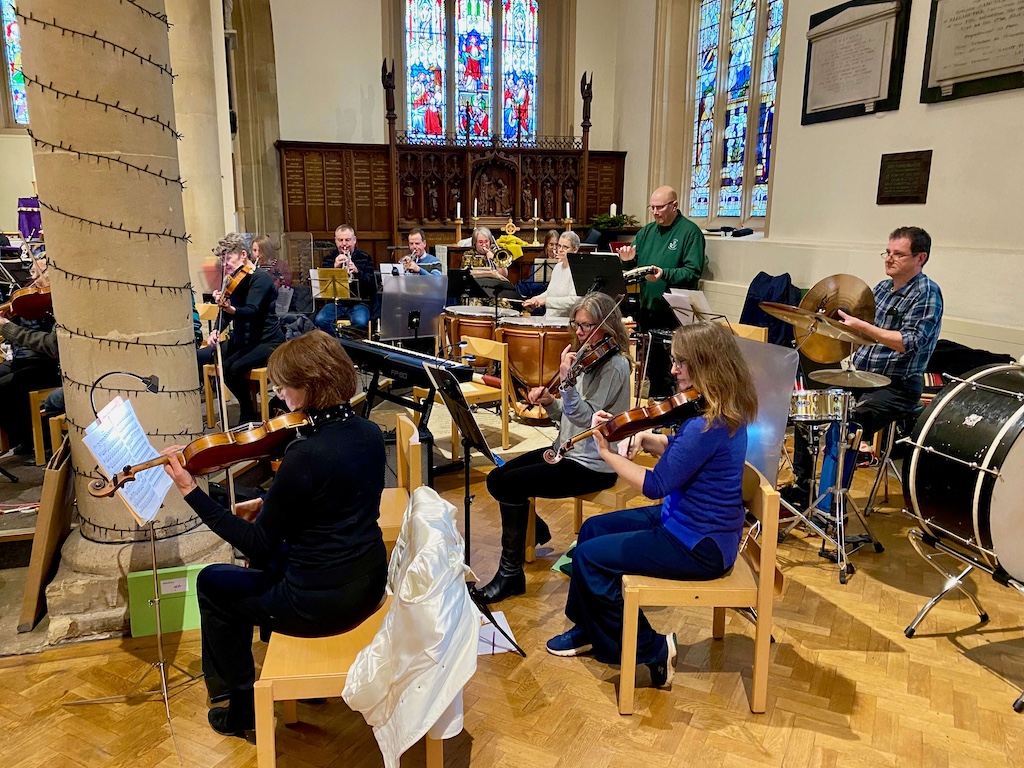
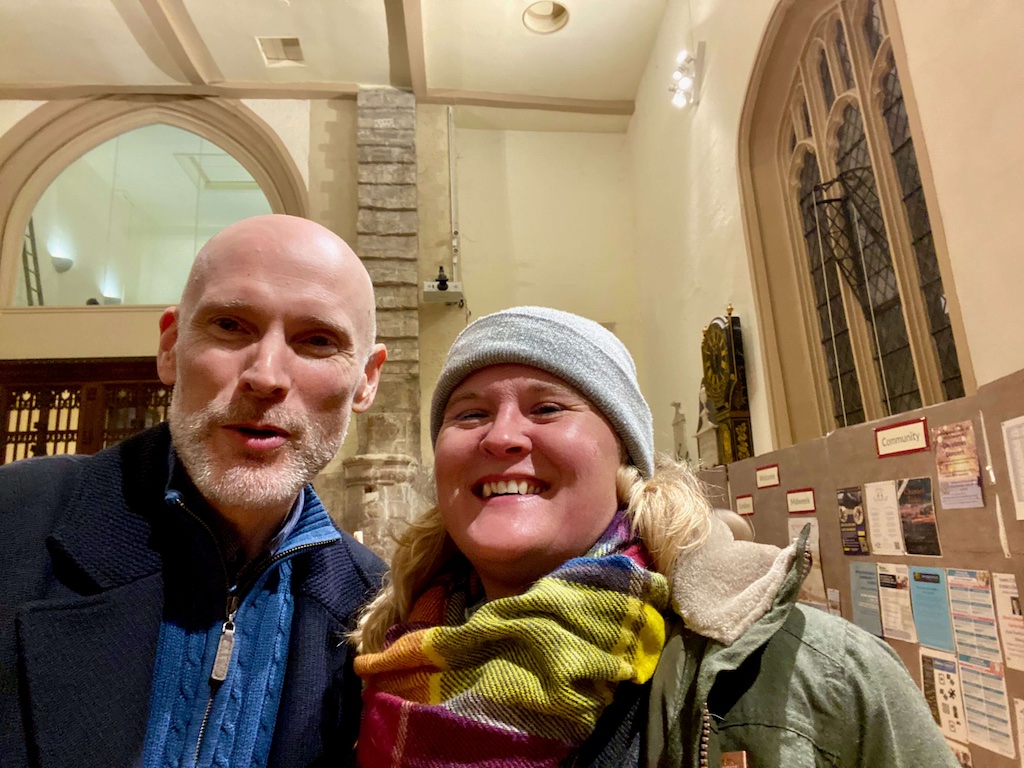
Concert day photos

Concert review
We then came much closer to home with Where the bones of Merlin lie…A Marlborough Fantasy, a piece written specifically for Marlborough Concert Orchestra by composer Christian Morris. Morris was inspired by Marlborough’s history including the Great Fire of 1653, the town’s motto ‘Ubi nunc sapientis ossa Merlini’ (Where now are the bones of Merlin) and the ‘Marlborough Mound’ as the possible burial site of Merlin. As an arranger who often works with folk music, Morris was also keen to incorporate some Marlborough folk pieces and found two during his research: The Duke of Marlborough which narrates the heroic exploits of the Duke in the 1706 Battle of Ramillies and All in the Town of Marlborough, a tale of romance between Nell and John.
Where the bones of Merlin lie…A Marlborough Fantasy certainly created a dramatic image of Marlborough history. The piece opened cinematically with white noise created by the musicians tapping and scraping their instruments accompanied by delicate melodies. A tense atmosphere built, and it was if we could almost feel the beginnings of the flames of the Great Fire crackling. As the piece continued, this tension gave way to the lively, colourful melodies of the folk pieces and created a real sense of joy. A special piece, which was made more special by being premiered in St Mary’s Church, which has stood since the 12th century and witnessed the civil war, the Great Fire and many more moments of Marlborough history.
Emily Giles, Marlborough News, 9th December, 2025